
The evolution of casinos a journey through time and culture
Ancient Origins of Gambling
The concept of gambling can be traced back thousands of years, with evidence suggesting that ancient civilizations engaged in various forms of games of chance. Archaeological findings indicate that the earliest gambling artifacts originated in China around 2300 BC, where tiles were found that are believed to be used in a rudimentary game of chance. Other cultures, such as the Romans and Greeks, also had their own versions of gambling, employing dice and betting on athletic contests, laying the groundwork for the casinos we know today. Today, online gaming enthusiasts can find exciting platforms like Ruby Reels casino to explore as well.
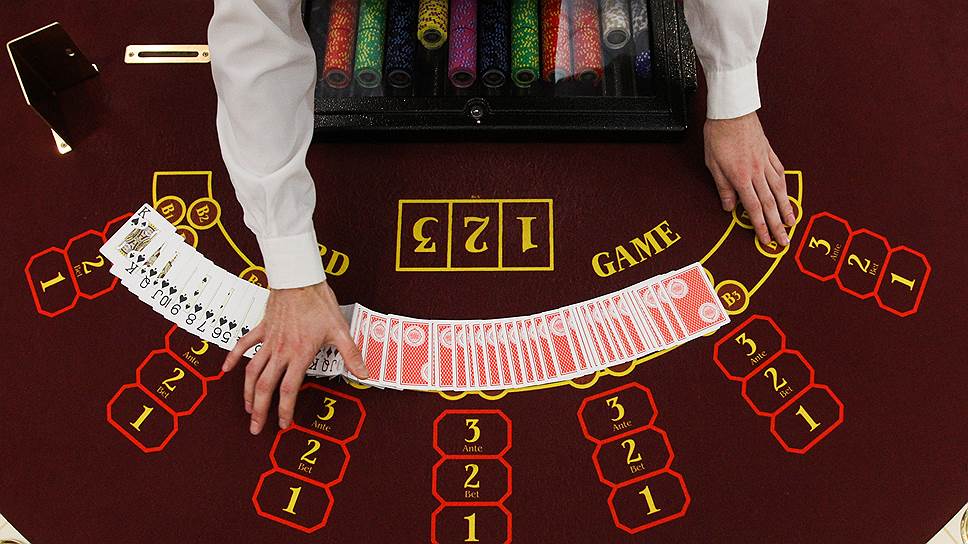
The use of gambling as a form of entertainment and social interaction is evident across various ancient cultures. In ancient Rome, for example, people would wager on the outcomes of gladiatorial contests. These early forms of gambling were not merely games of chance; they often held significant cultural implications, reflecting societal values and the human penchant for risk-taking. Such activities were frequently linked to rituals, enhancing the communal experience.
The evolution from these rudimentary forms of gambling to more organized systems can also be seen in ancient Egypt, where games involving dice and betting emerged as popular pastimes. These early iterations of gambling served as both entertainment and a reflection of social status, allowing the wealthy to showcase their affluence. As societies developed, so too did the complexity of gambling, setting the stage for the formalization of casinos in later centuries.
The Birth of Modern Casinos
The modern casino as we recognize it began to take shape in the 17th century, primarily in Italy. The first official gambling house, known as the ‘Ridotto,’ was established in Venice in 1638. This establishment provided a regulated environment for gambling, offering games such as card games and dice to the public. The Ridotto not only set a precedent for future gambling venues but also introduced the idea of a dedicated space for gaming, which was a significant shift from earlier informal gambling gatherings.
As gambling gained popularity throughout Europe, casinos began to spread to other countries. The French embraced the concept, leading to the establishment of the first casino in Paris in the 18th century. The luxurious interiors, elegant décor, and refined atmosphere of these early casinos attracted a wealthy clientele, who viewed gambling as both an entertainment option and a social activity. This period marked the transformation of casinos from simple gaming houses to lavish establishments that became the centerpiece of social life.
The 19th century saw the further proliferation of casinos, especially with the establishment of the renowned Casino de Monte-Carlo in Monaco. This glamorous venue attracted royalty and the elite, solidifying the association between casinos and luxury. The development of new games and gaming systems during this time, such as roulette and baccarat, created an exhilarating experience that captivated players. The rise of modern casinos was intricately linked to the social and cultural movements of the time, reflecting society’s evolving attitudes toward gambling.
The Golden Age of Casinos
The early to mid-20th century is often referred to as the golden age of casinos, marked by the rise of Las Vegas as a gambling hub. Following the legalization of gambling in Nevada in 1931, Las Vegas emerged as a city that combined entertainment, luxury, and gaming in an unprecedented way. The establishment of iconic casinos, such as the Flamingo and the Sands, drew visitors from all over the world, eager to experience the allure of the Strip.
During this era, the casino experience expanded beyond just gaming. Las Vegas became synonymous with extravagant shows, fine dining, and opulent accommodations. The integration of entertainment within casinos transformed them into multifaceted destinations, attracting not only gamblers but also tourists seeking a vibrant nightlife. This period solidified the cultural significance of casinos as centers of leisure and indulgence, deeply embedded in the American entertainment landscape.
The golden age of casinos also spurred advancements in gaming technology. The introduction of slot machines in the 1930s provided a new and exciting way for people to gamble. By the mid-20th century, technological innovations, such as the electronic slot machine, revolutionized the casino industry, making games more accessible and appealing. The combination of entertainment, luxury, and cutting-edge gaming technology created an irresistible allure that established casinos as an essential part of global culture.
The Digital Revolution and Online Casinos
The late 20th and early 21st centuries marked a significant shift in the casino landscape with the advent of the internet. Online casinos began to emerge in the mid-1990s, offering a new way for people to engage in gambling without the need to travel to physical locations. This digital revolution transformed the industry, making gambling more accessible to a broader audience and creating opportunities for players to experience a wide variety of games from the comfort of their homes.
Online casinos introduced innovative features such as live dealer games, interactive slots, and mobile gaming, further enhancing the user experience. As technology advanced, players could enjoy immersive environments with high-quality graphics and engaging gameplay. The rise of online gambling also led to the development of new regulatory frameworks, addressing concerns about player safety and responsible gambling, which became critical in maintaining the integrity of the industry.
As the online casino market continued to grow, platforms began offering attractive bonuses and promotions, drawing in both new and experienced players. The flexibility of online gaming allowed users to wager in both fiat and cryptocurrencies, catering to a diverse audience. This evolution not only reflects the changing landscape of gambling but also highlights the cultural shift towards embracing technology in all aspects of life, further embedding casinos into modern culture.

Exploring Rubyreels Casino
Amidst the digital transformation of the casino industry, Rubyreels Casino has emerged as a notable player in the online gaming market. Launched in 2015, it offers a thrilling online gaming experience that appeals to a diverse range of players. With a generous welcome bonus of up to $5,000 and 200 free spins, Rubyreels provides newcomers with a compelling incentive to explore their extensive library of slots and live games.
The platform is designed to offer a user-friendly experience, allowing players to navigate effortlessly through a wide variety of gaming options. Regular tournaments and ongoing promotions keep the excitement alive, ensuring that players remain engaged and rewarded for their loyalty. Additionally, Rubyreels prioritizes player security and support, establishing a safe environment for users to enjoy their favorite games.
Rubyreels Casino exemplifies the evolution of the gaming experience in the digital age, combining traditional gaming elements with modern technology. By offering both fiat and cryptocurrency payment options, it caters to the changing preferences of players, highlighting the ongoing adaptability of casinos in response to cultural trends. As the journey of casinos continues to evolve, Rubyreels stands as a testament to the rich history and future potential of this dynamic industry.